What Do EDP and EDT Mean?
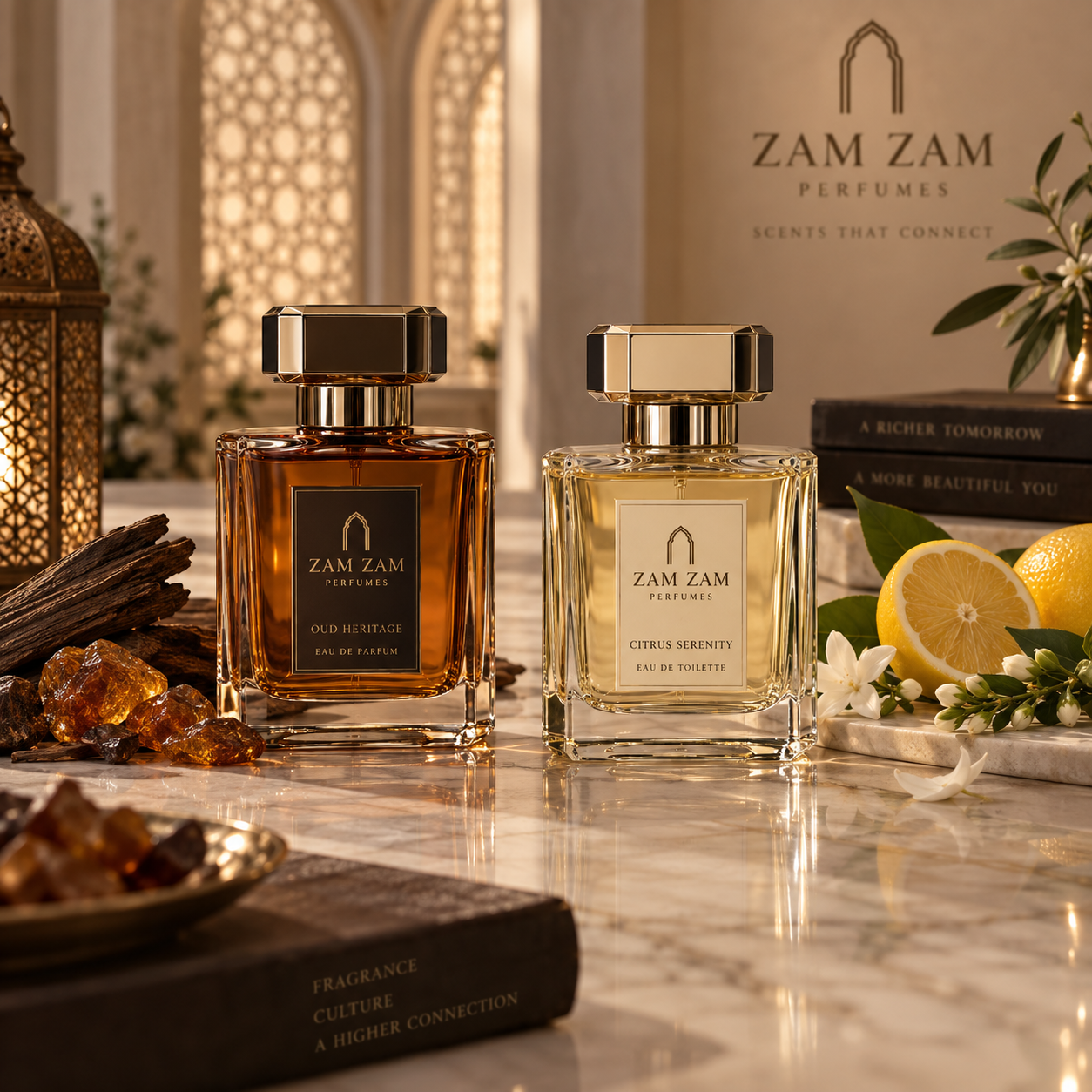
When shopping for perfume, you will often find terms such as Eau de Parfum and Eau de Toilette printed on the bottle.
These terms broadly describe different fragrance concentrations.
However, concentration alone does not tell you exactly how a perfume will smell or how long it will perform.
What Is Eau de Parfum?
Eau de Parfum, commonly shortened to EDP, generally contains a higher proportion of fragrance material than Eau de Toilette.
Because of this, many EDP compositions are designed to provide a fuller fragrance experience.
They may also emphasize deeper heart and base notes as the perfume develops.
What Is Eau de Toilette?
Eau de Toilette, or EDT, is commonly lighter in concentration.
Many EDT fragrances emphasize freshness and brightness, although this does not mean every EDT is weak.
The actual performance depends heavily on the perfume formula.
Is EDP Always Better Than EDT?
No.
A higher concentration does not automatically mean a fragrance is better.
Someone who wants a lighter daytime scent may prefer an EDT, while someone looking for a fuller evening fragrance may prefer an EDP.
Personal preference matters more than the abbreviation on the bottle.
Which Lasts Longer?
EDPs often have the potential to last longer because of their concentration, but there are many exceptions.
Ingredients, skin type, climate, application and the individual fragrance formula all affect performance.
This means a well-constructed EDT may sometimes perform better on someone than a particular EDP.
Which Should You Buy?
Choose according to your lifestyle.
For light everyday wear, a fresher composition may be ideal.
For evenings, events or situations where you want more fragrance presence, you may prefer a richer composition.
Always consider the perfume itself instead of treating EDP or EDT as a guarantee of quality.




Comments (0)